Source Commercial Deadlift Shrug Machine for Gyms, Clinics, and Training Centers
Find 30 commercial deadlift shrug machines from verified suppliers in China. Compare specifications like steel construction, CE certification, and custom logo options to select the right strength training equipment for your facility.
Key considerations
Products List




Comprehensive Sourcing Guide
Strategic Sourcing Guide for Commercial Deadlift Shrug Machines
Understanding the Technical Architecture of Plate-Loaded Equipment
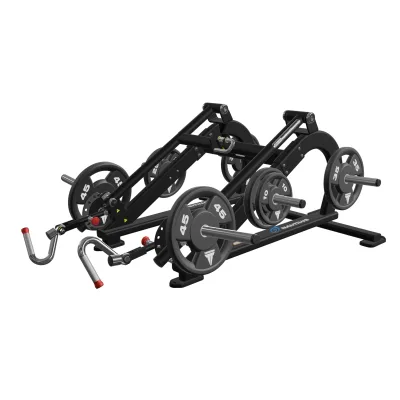
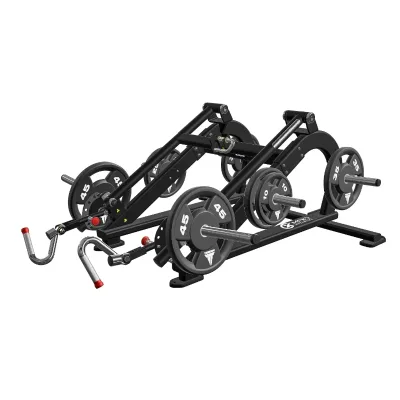
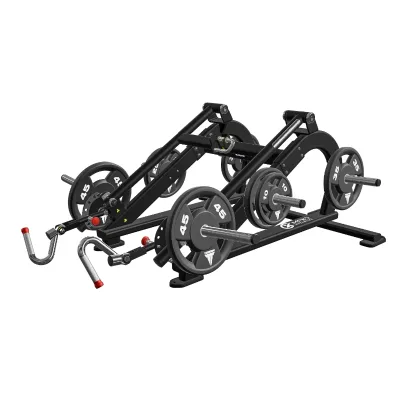
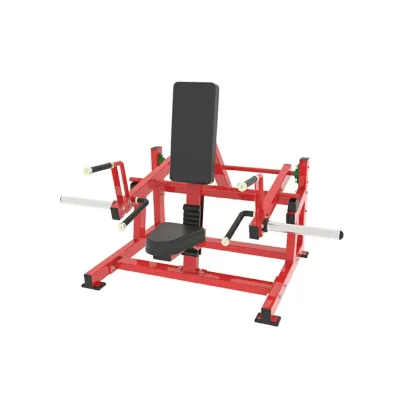
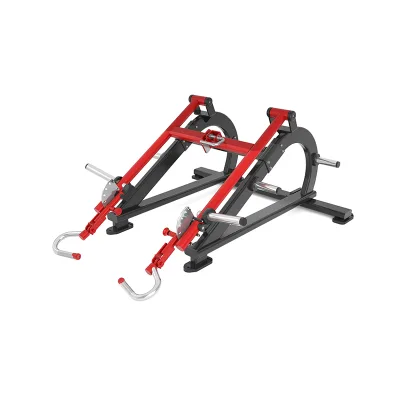
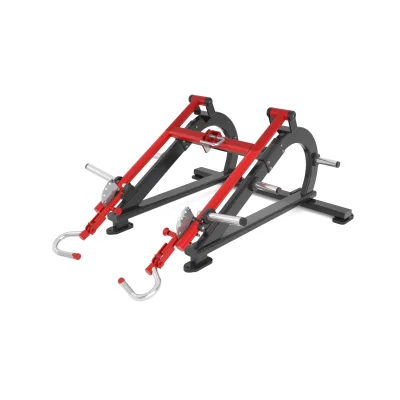
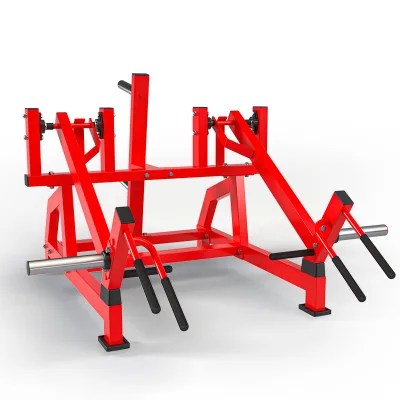
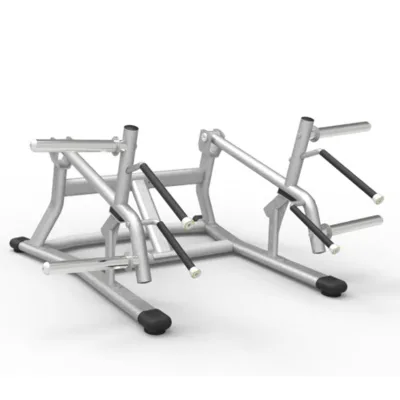
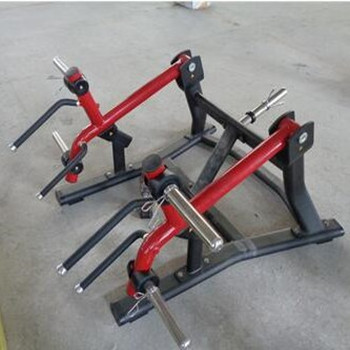
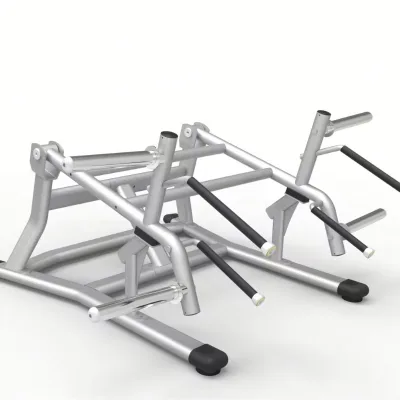
When sourcing commercial-grade deadlift shrug machines, buyers must first distinguish between the specific mechanical architecture required for high-volume fitness environments. The core product identified in current market listings is a plate-loaded unit designed specifically for strength training and bodybuilding applications. Unlike selectorized machines that rely on weight stacks, this equipment utilizes a plate-loaded system, which offers a more natural range of motion and is often preferred in commercial settings for its durability and user familiarity. The primary function of these units is to target the shoulder muscles, specifically engaging the trapezius group during the shrug motion, while also supporting general strength training protocols.
The structural integrity of these machines is paramount, given the high loads they must withstand. The primary material composition observed in reliable listings is steel, with some variations specifying stainless steel for enhanced corrosion resistance in humid environments. The frame dimensions are substantial, with typical single package sizes measuring approximately 188 cm in length, 156 cm in width, and 79 cm in height. This footprint is critical for facility planners to ensure adequate clearance for user safety and movement. The unit is designed as a single-item selling unit, often classified as a "Medium Loader" or "Plate Loaded Gym Machine," indicating its capacity to handle significant weight plates without structural failure. The weight of the unit itself is substantial, often cited around 113 kg, which contributes to its stability during heavy lifting sessions. The seat and contact points are typically finished with Black PU (Polyurethane) padding, offering a balance between comfort and resistance to wear and tear.
Compliance, Certification, and Safety Standards
In the commercial sector, regulatory compliance is not merely a formality but a prerequisite for liability protection and insurance coverage. When evaluating potential suppliers, buyers must verify that the equipment carries recognized safety certifications. The most prominent certification observed in the current market data for this category is the CE mark. This certification indicates that the product meets EU safety, health, and environmental protection requirements, which is a standard benchmark for many international procurement contracts. However, buyers should not assume that all listed units automatically possess this status without verification.
Safety features are explicitly highlighted as a key attribute of these machines. The design philosophy centers on "Safety" as a primary feature, which implies robust structural engineering to prevent collapse or mechanical failure under load. The "Commercial Use" classification further necessitates adherence to stricter safety standards than residential equipment. Buyers should request specific documentation regarding the testing of the load-bearing capacity and the stability of the frame. While the provided data mentions "Safety" as a feature, it does not detail specific test results or compliance with ISO standards. Therefore, the procurement strategy must include a request for third-party test reports that validate the machine's ability to withstand dynamic loads typical of deadlift and shrug exercises. The warranty period observed in the market is typically one year, which serves as a baseline indicator of the manufacturer's confidence in their product's durability, though this should be negotiated based on the expected usage intensity of the facility.
Cost Drivers and Financial Considerations
The pricing structure for commercial deadlift shrug machines is influenced by several variables, including material quality, manufacturing complexity, and logistics. The observed price range in the current market spans from approximately $245.61 to $860 USD. This wide variance suggests significant differences in the quality of steel used, the finish of the upholstery, and the level of customization available. The lower end of the spectrum may represent basic models with standard steel construction, while the higher end likely includes units with stainless steel components, enhanced safety features, or custom branding options.
Payment terms are a critical component of the financial negotiation. Standard industry practice for these items often involves a 30% deposit via Telegraphic Transfer (T/T), with the balance due upon completion or shipment. Buyers should be aware that the Minimum Order Quantity (MOQ) is typically flexible, with many suppliers offering an MOQ of just one set. This flexibility is advantageous for smaller gym operators or those testing a new product line, but it may impact the unit price compared to bulk orders. The packaging requirements also influence costs; units are frequently shipped in wooden boxes or wooden cases to prevent damage during transit. This heavy-duty packaging adds to the shipping weight and volume, which must be factored into the total landed cost. The single gross weight of the unit is approximately 113 kg, which significantly impacts freight charges. Buyers should calculate the total cost of ownership, including shipping, insurance, and potential import duties, rather than focusing solely on the ex-factory price.
Typical Applications and Operational Context
The application of commercial deadlift shrug machines extends beyond simple muscle isolation; they are integral to comprehensive strength training programs. These units are designed for "Commercial Use," meaning they are built to withstand the rigors of high-traffic fitness centers, hotels, and university athletic facilities. The "Universal" application classification suggests that the machine is suitable for a wide demographic, including both male and female users, and is often categorized as "Unisex" equipment. The design accommodates a single exerciser at a time, classified as a "1" exerciser unit, which is standard for this type of specialized equipment.
The primary usage scenario involves strength training and bodybuilding, where users perform deadlift variations and shrug movements to build upper body strength and mass. The "Plate Loaded" nature of the machine allows for progressive overload, a fundamental principle in strength development. The "Style" is defined as "Commercial Exercise Equipment," indicating a robust, industrial aesthetic that fits well in professional gym environments. The color options, often including Black, Red, and customizable choices, allow facility managers to align the equipment with their brand identity. The "Logo" capabilities, ranging from silicone printing to laser printing and embroidery, enable gyms to brand the equipment, which is a common practice in commercial chains to reinforce brand presence. The "Capacity" is listed as "Other," which in this context implies that the machine's load capacity is determined by the weight plates loaded by the user rather than a fixed internal mechanism, offering infinite adjustability for different strength levels.
Supplier Evaluation and Origin Verification
When evaluating suppliers for this specific category, the geographic origin of the product is a significant factor. The majority of the market data points to China as the place of origin, with specific mentions of the Shandong province. This region is a known hub for fitness equipment manufacturing, offering a mature supply chain for steel fabrication and assembly. However, buyers must exercise caution when interpreting "Place of Origin" data, as some listings may contain conflicting information or generic placeholders. It is essential to verify the actual manufacturing location to ensure quality control standards are met.
Supplier evaluation should focus on the consistency of product attributes. For instance, the model numbers observed, such as CXN-1111 and CXN-3006, indicate specific product lines. Buyers should ensure that the supplier can consistently deliver the specified dimensions (188 x 156 x 79 cm) and weight (113 kg) without variation. The availability of custom logos and graphic designs, including options like 3D embroidery and digital printing, is a key differentiator. A reliable supplier will have the technical capability to execute these customizations without compromising the structural integrity of the frame. The "Brand Name" observed in listings, such as MPKS, should be treated as a potential manufacturer identifier, but buyers should not assume that all products in a search result share the same brand. Instead, the focus should be on the supplier's ability to provide the specific technical specifications required. The "Packaging" consistency, whether described as "Wooden Box," "Wooden Case," or "Wooden Carton," is also a critical indicator of a supplier's attention to detail and logistics capability.
Quality Control and Long-Term Procurement Strategy
Ensuring long-term value requires a rigorous quality control (QC) strategy that goes beyond the initial inspection. The "Feature" of "Durable" is a common claim, but it must be validated through physical inspection and material verification. Buyers should request samples or detailed specifications regarding the steel grade and the thickness of the tubing used in the frame. The distinction between standard steel and stainless steel is crucial for facilities in coastal areas or high-humidity environments where corrosion is a risk. The "Warranty" of one year is a standard offering, but buyers should negotiate extended warranty terms for commercial applications where the equipment will see heavy daily use.
The procurement process should also account for the "Single package size" and "Single gross weight" when planning logistics. The dimensions of 188 x 156 x 79 cm and the weight of 113 kg require specific handling equipment and shipping arrangements. Buyers should verify that the supplier has experience in packing these large items securely to prevent damage during transit. The "Logo" customization options should be reviewed for quality; for example, laser printing and silicone printing offer different levels of durability and aesthetic appeal. A long-term procurement strategy involves building a relationship with a supplier who can provide consistent quality, reliable lead times, and responsive after-sales support. The "Payment Term" of a 30% deposit is standard, but buyers should ensure that the balance payment is contingent upon satisfactory quality inspection before shipment. By focusing on these technical and logistical details, buyers can secure a reliable supply of commercial deadlift shrug machines that meet the demanding requirements of modern fitness facilities.
Comparative Analysis of Product Specifications
To facilitate decision-making, the following table summarizes the key technical attributes observed in the current market for commercial deadlift shrug machines. This comparison highlights the variations in model numbers, materials, and packaging that buyers should consider during the sourcing process.
| Attribute | Observation 1 (Model CXN-1111) | Observation 2 (Model CXN-3006) | Observation 3 (General/Other) |
|---|---|---|---|
| Model Number | CXN-1111 | CXN-3006 | CXN1111 |
| Primary Material | Steel | Stainless Steel | Steel |
| Dimensions | 188 x 156 x 79 cm | 188 x 156 x 79 cm | XX cm (Variable) |
| Weight | 113 kg | 113 kg | 113.000 kg |
| Seat Color | Black PU | Black | Optional |
| Packaging | Wooden Box | Wooden Case | Wooden Carton |
| Certification | CE | CE | Not Specified |
| Warranty | 1 Year | 1 Year | 1 Years |
| Application | Commercial Use | Universal | Commercial Use |
| Function | Exercise Muscle / Shoulder | Shoulder | Strength Training |
| Logo Options | Logo / Customized | Silicone/Laser Printing | Silicone/Laser/Embroidery |
This table illustrates that while the core dimensions and weight remain consistent across different model numbers, there are variations in material composition and packaging details. Buyers should use this data to verify that the specific unit they are purchasing matches their facility's requirements, particularly regarding material durability and packaging security. The consistency in the 188 x 156 x 79 cm dimensions suggests a standardized design approach in the industry, which simplifies facility planning. However, the variation in material (Steel vs. Stainless Steel) requires careful consideration based on the environmental conditions of the intended installation site.
FAQs
What is the typical weight of a commercial deadlift shrug machine?
The unit typically weighs 113 kg, ensuring stability during heavy lifting sessions. This substantial weight contributes to the machine's durability and safety for commercial use environments.
Which certifications are commonly found on these commercial machines?
The CE certification is a prominent standard observed in the current market data for this category. This mark indicates compliance with EU safety and health requirements, which is essential for liability protection.
How are these machines typically packaged for international shipping?
Units are frequently shipped in wooden boxes or wooden cases to prevent transit damage. This heavy-duty packaging is necessary due to the large single package size and significant gross weight of the equipment.
Can buyers request custom logos on the equipment?
Yes, customized logos are available through various methods like laser printing or silicone printing. This allows facility managers to align the equipment with their specific brand identity and corporate aesthetics.
What is the standard warranty period for this equipment?
The observed warranty period is typically one year, serving as a baseline for manufacturer confidence. Buyers should negotiate extended terms based on the expected usage intensity of their specific facility.
Which payment terms are standard for purchasing these machines?
Standard industry practice often involves a 30% deposit via Telegraphic Transfer with the balance due upon completion. This financial structure is common for securing the production and shipment of commercial fitness equipment.
What is the minimum order quantity for these commercial units?
The minimum order quantity is typically flexible, with many suppliers offering an MOQ of just one set. This flexibility benefits smaller gym operators or those testing a new product line before bulk purchasing.
Where are these commercial exercise machines primarily manufactured?
The majority of market data points to China as the place of origin, specifically the Shandong province. This region is a known hub for fitness equipment manufacturing with a mature supply chain for steel fabrication.